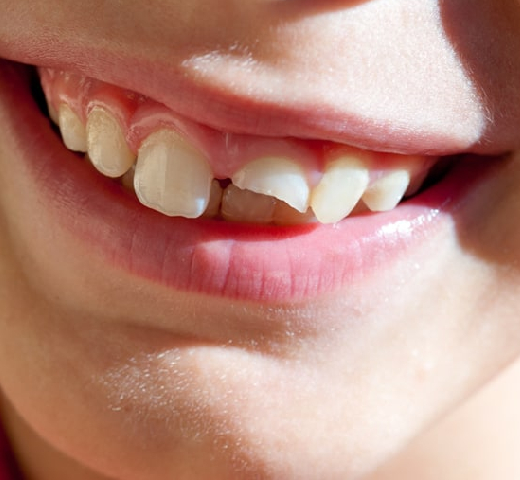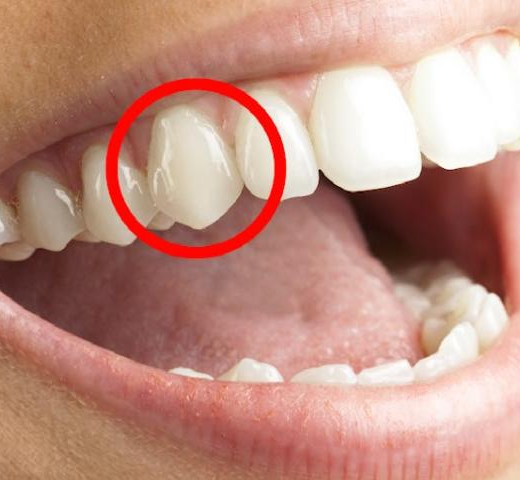
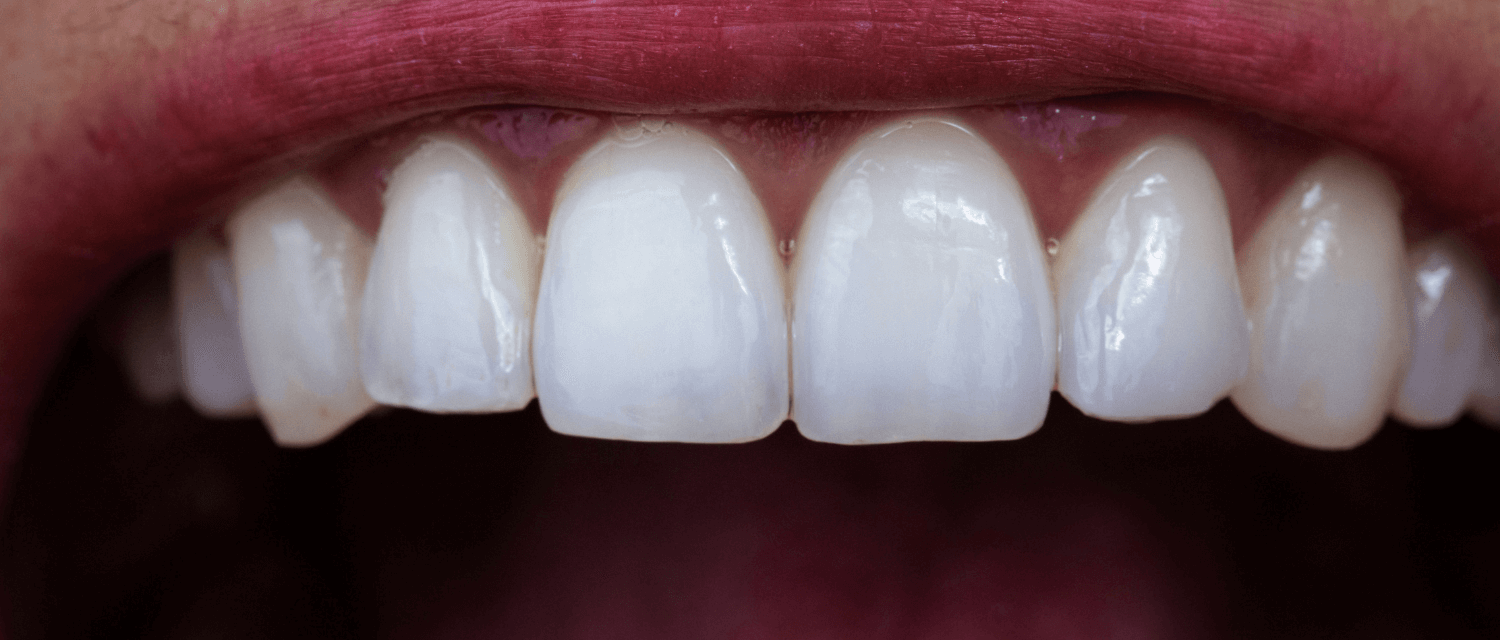
The phrase “Making emerging teeth and tusks” seems to refer to the developmental process of teeth and tusks emerging or erupting in the mouth, which could be related to both humans and animals. In humans, this process typically involves the growth and emergence of primary (baby) teeth and later, secondary (permanent) teeth. In animals, particularly those with tusks like elephants, walruses, and some species of boars and pigs, the term can refer to the growth and protrusion of tusks, which are long, continuously growing teeth projecting beyond the mouth, often serving as tools for feeding, digging, and defense, as well as symbols of social status.
The biological mechanisms behind the development and eruption of teeth and tusks involve a complex interplay of genetics, nutrition, and environmental factors, ensuring these structures grow correctly and serve their intended functions effectively within the organism’s lifecycle.
Making emerging teeth and tusks F&Q
In humans, the emergence of teeth refers to the process of primary (baby) teeth and later secondary (permanent) teeth erupting through the gums, a critical developmental stage in infancy and early childhood.
Tusks are long, protruding teeth that extend beyond the mouth of certain animals. Unlike regular teeth, tusks often continue to grow throughout the animal’s life and can serve various functions, including foraging, defense, and mating displays.
Human babies typically start teething around 6 months of age, but it can vary. The first teeth to emerge are usually the lower central incisors.
Animals known for having tusks include elephants, walruses, narwhals, and some species of boars and pigs. Tusks are a distinctive feature used for survival and social interactions.
Tusks grow from the upper and lower incisors or canines in animals, continuously growing throughout the animal’s life. They emerge from the skull and are visible outside the mouth, growing in length and sometimes in curvature.
Proper care of emerging teeth in children is crucial to prevent tooth decay, ensure the development of healthy permanent teeth, and establish good oral hygiene habits. Regular dental check-ups, proper brushing, and a balanced diet are essential components of this care.